
Debunking the Biggest Misconceptions About Electric Cars
Electric cars have been gaining popularity rapidly, but misconceptions and myths still persist. Many drivers hesitate to adopt electric vehicles (EVs) because of concerns that are often based on outdated information or misunderstandings. Separating fiction from facts is essential for anyone considering a transition to greener transportation. Understanding the truth about electric cars can help consumers make informed decisions, save on fuel costs, and reduce environmental impact. In this article, we examine the top misconceptions surrounding electric cars, clarify the realities, and highlight why EVs are more practical and accessible than many believe.
Electric Cars Have a Very Limited Range
A common misconception is that electric cars cannot travel far before needing a recharge. Early models did have limited range, but advancements in battery technology have significantly extended driving distances. Modern EVs can travel anyw 200 to 400 miles on a single charge, comparable to many gasoline vehicles. Range anxiety is often overstated, as public charging stations are increasing in number, making longer trips more feasible. With proper planning and awareness of charging locations, drivers can enjoy extended journeys without concern.
Charging Takes Too Long
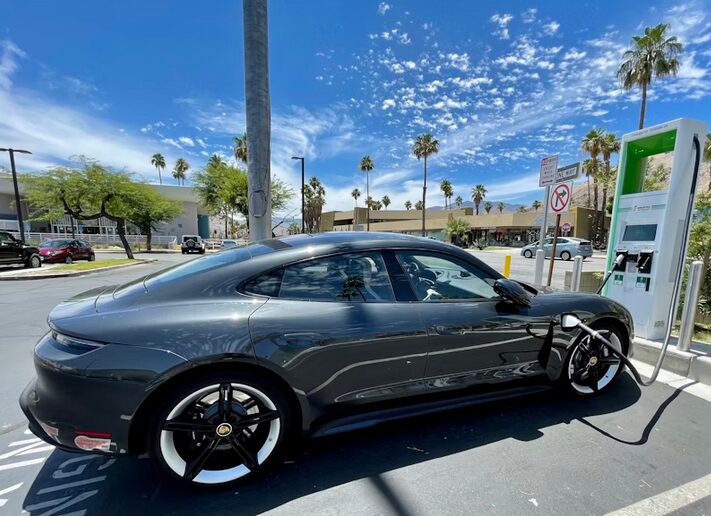
Many people believe that electric cars require hours to recharge, making them impractical for daily use. While it is true that standard home outlets charge slower, fast-charging stations can provide 80% battery in 20–40 minutes. Additionally, most EV owners charge their vehicles overnight at home, waking up to a full battery each day. Advances in charging technology continue to reduce wait times, making the process more convenient and compatible with normal routines.
Electric Cars Are Expensive to Buy
Another misconception is that EVs are prohibitively expensive. While initial costs can be higher than those of some traditional cars, tax incentives, rebates, and lower operating costs often offset the purchase price. Electric cars need less maintenance since they have fewer moving parts, no oil changes, and simpler transmission systems. Over time, the cost of ownership for EVs can be significantly lower than conventional cars, making them a smart long-term investment.
EVs Are Slow and Less Fun to Drive
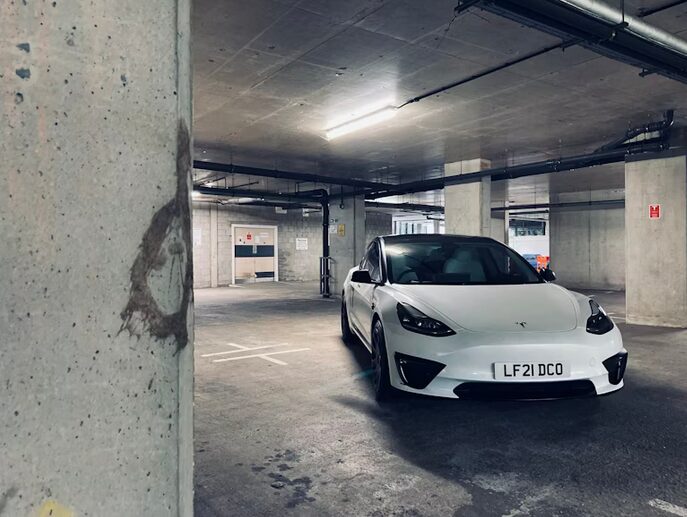
Some drivers assume that electric cars lack performance or are unexciting to operate. On the contrary, many EVs offer instant torque and smooth acceleration, making them surprisingly responsive and enjoyable to drive. Performance models from various manufacturers compete with sports cars, delivering high-speed thrills while maintaining efficiency. Electric vehicles also provide a quieter, more comfortable driving experience due to reduced engine noise, enhancing overall satisfaction behind the wheel.
Electric Cars Are Bad for the Environment
A widely held belief is that EVs are not truly eco-friendly because of the environmental cost of battery production. While battery manufacturing has an impact, studies show that over the lifespan of an EV, emissions are significantly lower than those from gasoline vehicles. Charging from renewable energy sources further reduces the carbon footprint, making electric cars a cleaner alternative for everyday transportation. The environmental benefits grow as more green energy is integrated into the power grid, supporting long-term sustainability goals.
Electric cars have been misunderstood in several key areas, from range limitations and charging times to cost, performance, and environmental impact. By debunking these top five myths, it becomes clear that EVs are practical, efficient, and increasingly accessible to everyday drivers. Modern battery technology, growing charging infrastructure, and reduced operating costs make electric vehicles a compelling choice for those seeking reliable transportation while minimizing their environmental footprint. Understanding the truth about electric cars allows consumers to make informed decisions and embrace cleaner, more innovative mobility options for the future.…